How Rapala reeled in the Americans
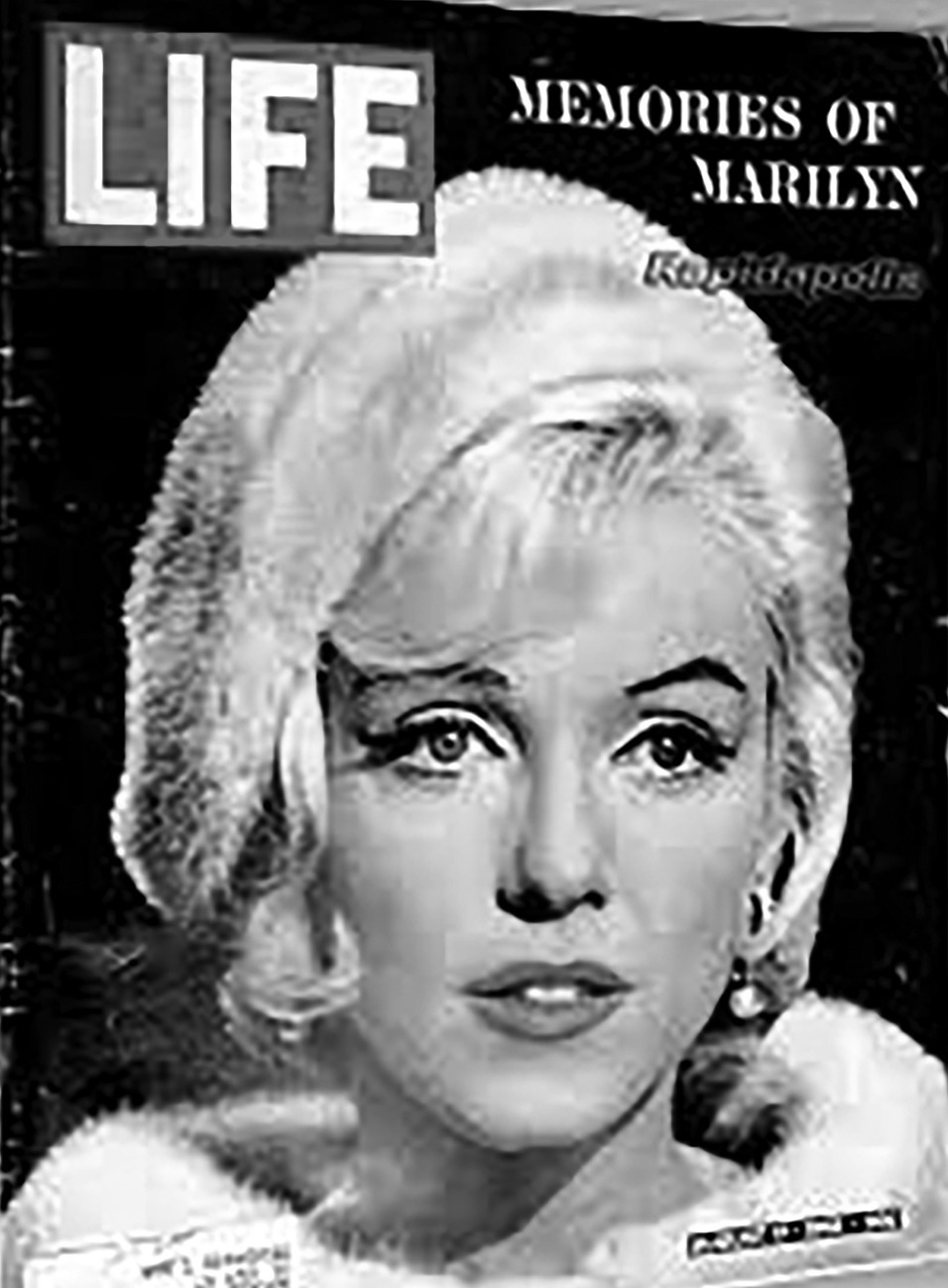
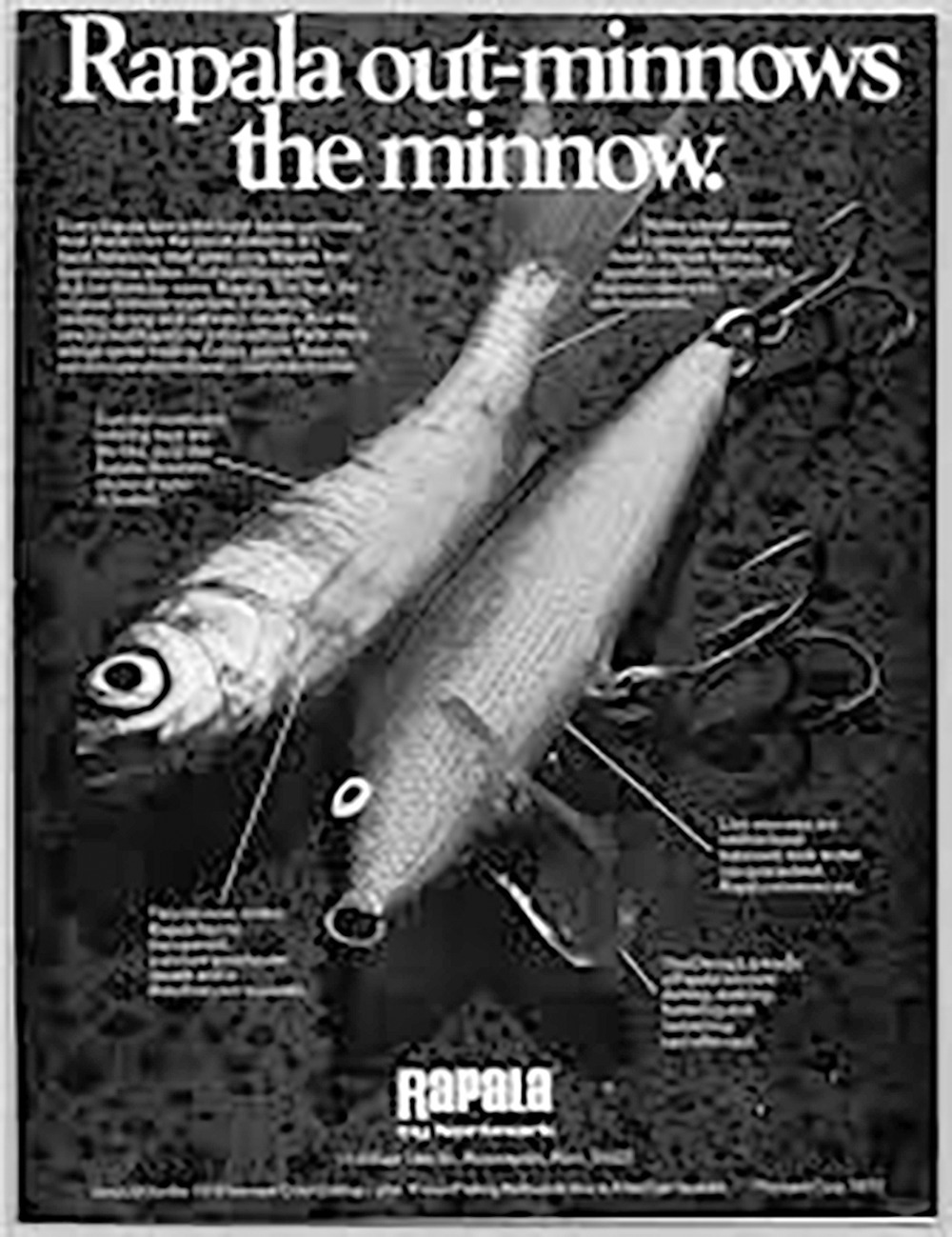
It sounds bittersweet, but for the Finnish company Rapala the death of Marilyn Monroe in August 1962 was a stroke of luck and an access to global awareness. The world’s sexiest and most adored and imitated film star died at the age of 36 and her story in Life Magazine was the world’s most read article. In the same issue the small Finnish lure maker Rapala ran its first ever ad in North America and hit the world stage.
This June 1 commemorates the 100th birthday of legendary screen goddess Marilyn Monroe, nee Norma Jeane Mortenson. While her early death shocked the world, it has also left behind an unsolved mystery about what exactly happened during the preceding day. Conspiracy theories still abound.
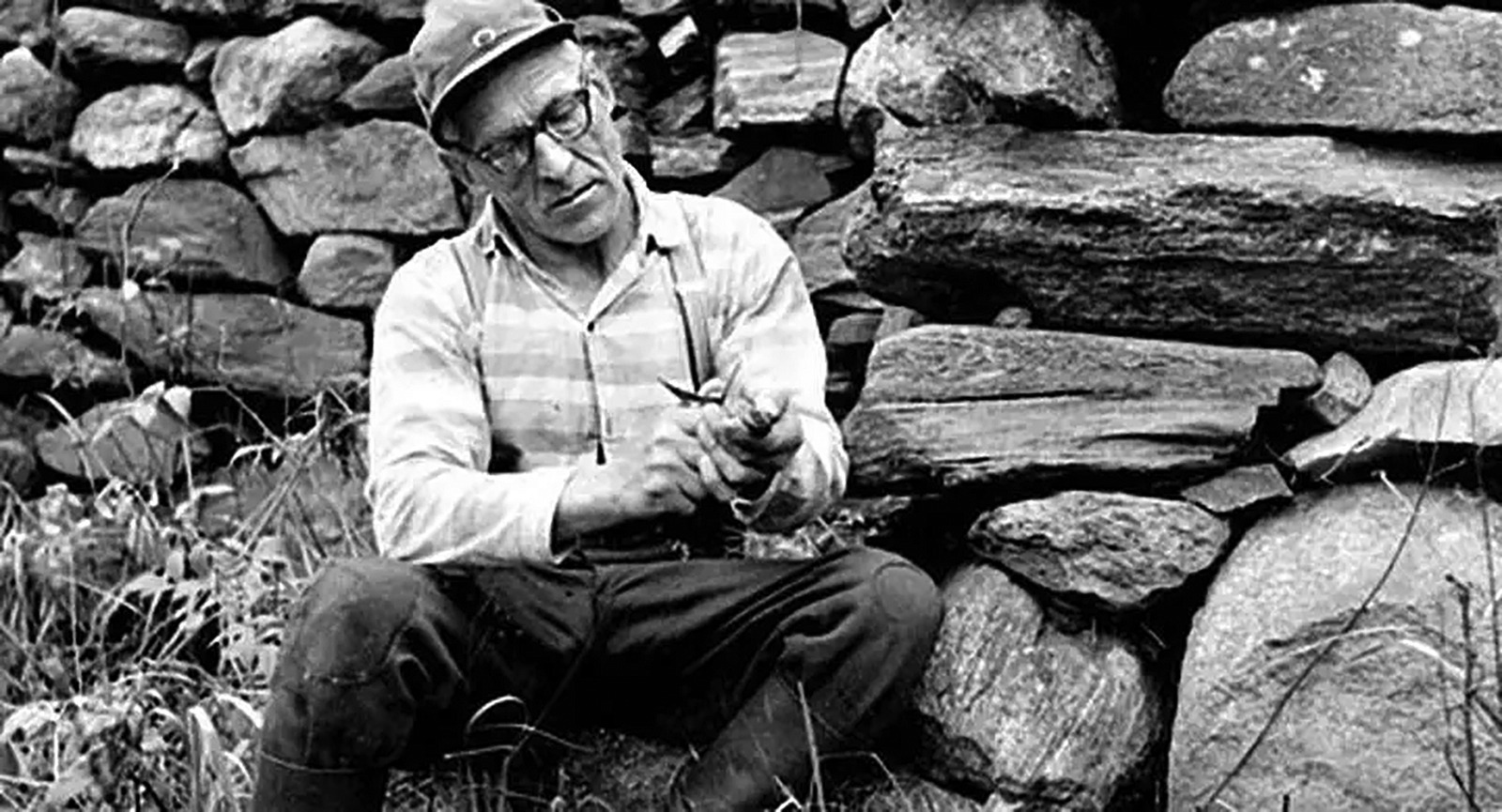
Life Magazine run a big story in its August 8 issue, which sold an estimated 20 million copies and had manifold readership in not only the U. S. and Canada but around the world. Due to modesty and “ commercial shyness ” in the past, Finnish companies did not easily advertise or market their products internationally. However, virtually unknown Rapala fishing lure maker out of the blue decided to run an ad in the most widely read American magazine. The strong readership started a success story that almost overnight six folded the demand. And thanks to Marilyn’s United States, with 20 million units sold per year, today the company is the biggest special fishing lure manufacturer in the world. The story behind the company is a very disarming one by itself. The trail leads to a small island on Lake Paijanne in South- Central Finland in 1938. A local fisherman named Lauri Rapala had a retreat cabin where he spent time alone and one day when he saw a wounded fish on the shore and witnessed how a predating pike caught it, he got an idea to imitate this poor fish. Thus, he made one minnow-like bait from wood, painted it and added a three-pronged hook on the end. After successfully catching his own fish, he made a dozen more of them and took them to his village co-op store in Kalkkinen. The start was slow, but Rapala got his first recognition at an agricultural fair in 1950 when he received first prize in an innovation competition. Eventually compressed Styrofoam, invented in 1944, supplanted wood as the main material. At the Helsinki Olympics, the last commercial-free games, Rapala donated minnow-like lures to international tourists with company contact info in the package. At that time Rapala lures were already sold in a small scale in Sweden where many Finnish emigrants had introduced them. In 1957 Lauri Rapala founded a new factory with his sons in close by Vaaksy township.
By the year’s end they had produced more than 50,000 minnows and other lures. Obviously the interest had reached America, since they had a letter from Minneapolis businessman Ray Ostrom requesting the first sample batch of them. His company Ostrom Marine also started to promote Rapala imitation minnows among their other products. Soon they ordered more. Perhaps this inspired Rapala to run their Life Magazine ad, and the timing could not have been better. The American demand multiplied so the following year Rapala produced 1.6 million fishing lures. President Urho Kekkonen, an avid hunter and fisherman himself, knighted Rapala later with a rare Councilor of Economics title. In 1975 the company had already manufactured 25 million units and the triumph had continued all over the world. By 1998 products were sold in 100 countries and they reached 200 million sold units. The same year Rapala was listed in Helsinki Stock Exchange. In 1985 Lauri Rapala was joined posthumously to the Fishing Hall of Fame in Hayward, Wisconsin; he had died in 1974. There on the walls are also Americans Ron Weber and Ray Ostrom whom the Finnish company can thank for their early promotion and thus a conquest of North America. About 100,000 visitors tour the Fishing Hall of Fame every year.
As for Marilyn, an “ indirect promoter of Finnish imitation minnows,” she was also well known and admired in Finland. She was a pinup girl in the ‘50s and posed on many Finnish magazine covers too. Monroe’s movies attracted viewers and her death touched people in Finland just like everywhere in the world. It’s been 100 years since she was born and even though her glamorous and rugged life lasted only 36 years, she is still one of the most memorable Hollywood icons.