Pittsburgh Nationality Room construction to begin
Submitted by Frank Eld
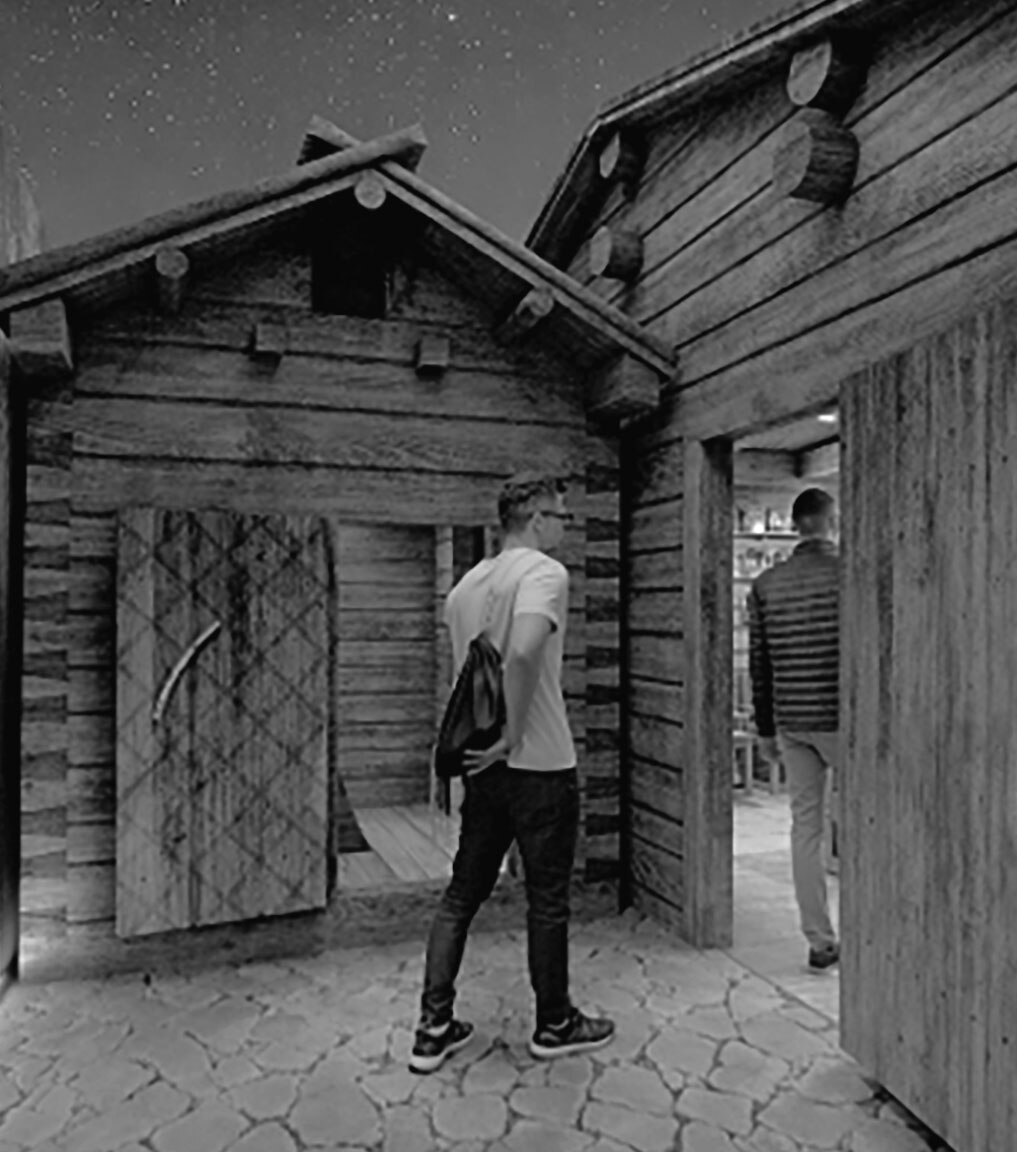
In June 2006, the plans for the Finnish Nationality Classroom at the University of Pittsburgh were unveiled. In June 2026, fabrication will commence! For more than 20 years, through efforts directed by the Pittsburgh Finns, numerous individuals have determinedly planned, labored and raised funds to reconfigure an existing university classroom to reflect the cultural heritage of America’s Finns. Undeterred by numerous disappointments and setbacks, they have prevailed! Their tenacity certainly defines Finnish sisu. The Finnish classroom will join 31 other Nationality Rooms, as part of a Nationality Rooms program that originated in 1926 when construction began on the 42-story gothic-style Cathedral of Learning. The rooms are gifts from the ethnic immigrant nationalities who helped to build Pittsburgh. The Finns had a sizable role in the labor force during the city’s industrial development. The designs of the Nationality Rooms are functional, educational, and aesthetically interesting. The rooms are utilized regularly as classrooms, providing inspiration to the students, instructors, and visitors. University students learn about different cultures every day as the rooms are teaching spaces and are decorated to represent different cultures. Our classroom will expose them to Finnish history and tradition and will serve as a Finnish cultural program venue that encapsulates exchange activities connected with Finland. The Finnish classroom will represent a Finnish savutupa (smoke cabin) and a savusauna (smoke sauna). The design was chosen by the Finnish Nationality Room Committee (FNRC) from entries submitted by architectural students in Finland in 2006. Mika Gröndahl’s concept of a smoke cabin was selected. Ten years later, the original plan was professionally redesigned to adapt it to construction requirements by members of the FNRC committee, which includes Seija Cohen, Sally Morton, Karen Kilponen-Fix, Nathaniel Kilponen-Fix, Tuomas Sandholm, architect Stephen Altherr, and historian Frank Eld. The Finnish Room’s representation of a log savutupa will be replicated in the classroom, as they were common dwellings found on rural homesteads in Finland in the 18th century and earlier. These structures were heated by the smoke from a large chimney-less smoke oven (savu uuni), which settled in a layer under the ceiling and turned it black.
The room design also includes an “ outdoor ” section, the ceiling of which features the Big Dipper and the Northern Lights, symbolizing Finland’s first novel, Seven Brothers by Aleksis Kivi. This entry also incorporates a sauna, an iconic element of Finnish culture. The log structures of the Finnish Room highlight a long tradition of specialized woodworking craftsmanship by the Finns with their dovetailed and double notched corners. Finnish cottages typically were multigenerational family abodes, where industrious Finns would live and work together, with each family member having specific tasks, such as using tools, cooking or teaching the younger ones to read and learn. Our room typifies that early Finnish life and education conducted in the home, while seated at long wooden tables and benches or chairs in the center of the room. “The act of sitting side by side on long benches represents the Finnish people’s solidarity and ability to get along even with difficult neighbors,” Gröndahl said of the room’s centerpiece. The room will also display various cultural artifacts, including handmade rugs, and a collection of plates that tell the story of the Finnish epic poem, the “Kalevala.” Although the FNRC raised the funds required to build the project, construction costs surpassed the estimate by over $20000, which is being covered by a loan. The Committee is appealing to the Finns of America to assist in paying off
this loan; donors can see potential tax deductions, and the donation of appreciated stock is a possibility. The Finnish Classroom stands as a permanent symbol to all Finns who migrated and contributed. It will help tell the Finnish heritage story to thousands of students who walk therein. The Finnish Nationality Room will be built as a landmark for all Finns, locals and visitors alike. Roughly 25,000 visitors tour the Nationality Rooms each year. This cultural institution has been supported by locals, visitors, families, and friends for 100 years, and it will continue to represent our heritage for another 100 years to come. Show your support during this centennial year! See more at: www. nationalityrooms.pitt.edu/rooms / finnish-room and dive deep into the history of the project at www.pittsburghfinns.net.