By Kristina Vanni
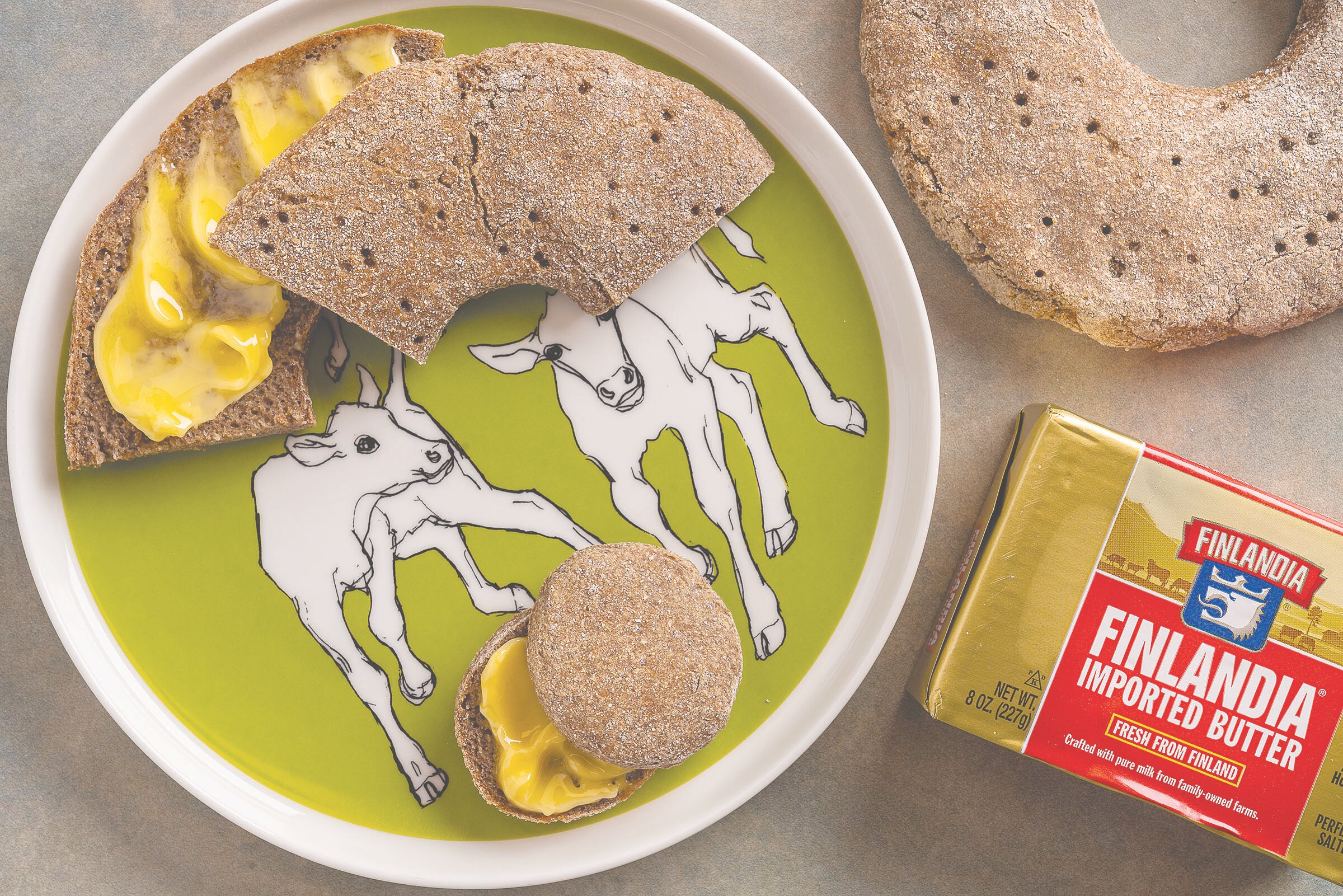
The latest viral story in the food world is centered around a bakery in New York City selling 100% organic sourdough rye bread for an eye-popping $60 a loaf. Ever the thrifty Finn, this inspired me to bake a batch of traditional sourdough rye bread from scratch using the recipe that has been passed down to me from a long history of bakers at our family dairy farm in Seinäjoki, Finland.
Using this recipe, I was able to make 8 rounds of ruisleipä for $17.75.
For the full breakdown of the costs, you can visit my Substack at https://kristina-vanni.substack.com/ and hopefully become a subscriber for more Finnish recipes and stories.
To be clear, I have nothing against the store in New York City; in fact, I am thrilled that sourdough rye is finally getting a well-deserved place in the spotlight! The chef has many years of experience and, best of all, he wisely chose to serve it by the slice with a slather of Finlandia butter. This comes from the Valio company and is produced right here in Seinäjoki, just steps from our family farm.
Let’s get down to the business of making this bread. It takes a bit of patience, and the first time you make it, there is an extra step to produce your own starter. However, from that point on, you can keep the starter in your freezer and make a batch anytime. Like all sourdough, it gets better and better with age, so start it now, and you can make incredible ruisleipä for years to come.
Sourdough bread is a bit of a chicken-and-egg conundrum. You need a starter to make sourdough, but where does this starter come from? Back in the day in Finland, batch after batch would be made in the same large wooden trough, and this would be fed by naturally occurring wild yeast in the air and lactic acid bacteria that work together to create that signature sourdough flavor. The only way today to get that little kickstart is to produce your own rye root from an existing piece of rye bread.
Now, this can’t be just any slice of rye bread from your local deli. Almost all the “rye” bread in the U.S. is made with only a portion of rye flour and is combined with other wheat flours to create a lofty, fluffy loaf. This bread is quite different. It is flat and doesn’t rise much at all. If you are lucky enough to be in possession of a few slices of 100% sourdough rye bread, by all means use that for this recipe. However, don’t fret! There is a readily available solution - Finn Crisp Sourdough Rye Thins. These crackers can be used to build your starter.
Crumble 5 ounces of the crackers into a bowl and add 4 cups of water. After about 10 minutes, the crackers will soften. Then, I use an immersion blender to combine the wet crackers and water until smooth.
Then, add 3 cups of dark rye flour and coarse sea salt. You will notice this recipe uses coarse sea salt for making the starter root, but then it calls for regular table salt to make the bread. I have no idea why; this is simply how my cousin Leena taught me to make it. I asked her once why she uses different salt, and she simply said that was how she learned and how it had always been done. I accept!
Cover the bowl tightly with plastic wrap and then poke 3 or 4 holes in the top to allow air to escape. Now you sit back and wait. After 24 to 36 hours, you will notice the starter will begin to bubble, and you will smell that signature sour aroma coming from the poked holes. That’s when it is ready for the next steps.
When you are ready to make the rye bread dough, measure 8 cups of rye flour into a bowl. You might not use it all, but it’s good to have it all ready to go. This recipe uses fresh yeast from the refrigerated section of the grocery store. You activate this yeast by crumbling it into a bowl and adding warm water. After about 10 minutes, it will be dissolved and foamy. To the bowl with the starter, add the yeast and table salt. Then start mixing in the rye flour one cup at a time. It will be very heavy and very thick; remember, we aren’t making your usual loaf of bread here. For reference, this batch used about 6-1/2 cups of flour until it achieved the correct consistency. This may vary from bake to bake depending on the humidity level in the house and other factors. Let your hands and eyes guide you.
Once you are satisfied with the dough, set aside the remaining flour to use for rolling and shaping later. Cover the dough with a light towel and allow it to rise for 10-12 hours. I like to make this at night when I plan on baking the bread the next day.
When you are ready to bake, turn out the dough onto a floured surface. Divide up the dough into 10-ounce balls. You will have about 8 or 9 balls to create the rounds. Press each round into a 6-inch circle and use a 2-inch biscuit cutter to cut a hole in the center. Prick with a fork before baking.
Then, simply transfer the rounds to parchment-lined baking sheets and bake at 400 F for about 30 minutes. I like to use the convection setting on my oven for lovely browning all around, but the regular bake setting works as well. Just watch the loaves carefully, as convection tends to bake quicker.
Let’s not forget about those little round cutouts. Leena would always say, with a sweet twinkle in her eye, that these tiny bread loaves were “for the children.” These are also baked at 400 F and will be done in just about 10-15 minutes. My two little Finn girls love them.
Whatever you do, don’t forget to save two of the unbaked rounds and place them in an airtight zip-top bag. This will be the starter you use on the next round of baking, so you don’t have to start from scratch with the crackers again. The best part is, this isn’t one of those sourdough starters you need to constantly babysit, feed, and use every single week. This starter can be stored in the freezer and then thawed and reactivated anytime a craving for rye bread hits.
Finnish Rye Bread Ruisleipä
1st time: Rye Root
- 5 ounces 100% sourdough rye bread or sourdough rye crackers
- 4 cups water
- 3 cups dark rye flour
- 1 tablespoon coarse sea salt
Cut sourdough bread into small cubes or break up crackers. In a large bowl, soak sourdough bread cubes or crackers in hot water (about 100 degrees F.) until softened, about 10 minutes. Using an immersion blender, combine the softened bread cubes or crackers and water until smooth. (Alternatively, the softened mixture can be transferred to a countertop blender and blended until smooth then transferred back into the large bowl.) Add the rye flour and coarse sea salt to the bowl and stir to thoroughly combine.
Cover bowl tightly with plastic wrap and poke a few holes in the top to allow air to escape. Allow the root to rest at room temperature for at least 24-36 hours. The root is ready when it is bubbling and smells sour.
Rye Bread
- 1 cube (57 grams) refrigerated fresh yeast
- 1/2 cup water
- 1 tablespoon table salt
- 6-8 cups dark rye flour
Crumble the cube of fresh yeast into a small bowl. Gently warm the water until it is between 100 and 110 degrees F, pour over the yeast and whisk to combine and start to dissolve the yeast. Allow to sit for 10 minutes until the yeast begins to foam. Pour the dissolved yeast mixture into the large bowl containing the prepared rye root. Add the table salt and stir to combine. Stir in rye flour, 1 cup at a time until the dough comes together. Check the consistency after you have incorporated about 6 cups of the flour. The dough will be quite heavy and thick. Reserve the remaining flour for the surface when shaping later.
Cover dough with a cloth and rest in a warm place to allow it to rise. Sour rye bread dough takes noticeably more time to rise than breads containing wheat flours. I like to prepare the dough at night and then plan on baking the bread the next day. This allows the dough to rise for approximately 10-12 hours.
Turn out dough onto a well-floured surface. (If the dough is sticky, incorporate small amounts of the reserved flour until it can be rolled and shaped.) Divide dough into 10-ounce balls. Form each ball into a flat, 6-inch round and cut a hole in the middle using a 2-inch round cutter. Place the rounds on a baking sheet covered with parchment paper and prick the rounds with a fork. Allow the rounds to rest in a warm place for about 1 hour before baking. Makes about 8 or 9 rounds.
Note: Save the 2-inch rye holes cut from the middle of the circles. Place 2 rye holes each in a plastic zip-top bag, label as rye starter, and save for subsequent recipes. When making this recipe you will have 8 or 9 holes, to save for at least 4 separate rye starters. If you only want to save one rye starter for later use, you can bake the remaining rye holes, kids love them and they are great for dipping or snacking. Bake at 400 degrees F. for about 10-15 minutes.
While the rounds are rising, preheat oven to 400 degrees F on the convection setting. Bake the rounds for 30 minutes or until golden brown. Serve warm with a generous slathering of salted Finnish butter.
Finnish rye bread freezes well. Wrap tightly in plastic wrap and store in a zip-top bag. Thaw and toast to enjoy anytime.
All subsequent recipes: Rye Root
- 2 tablespoons frozen rye starter (the 2 holes saved from previous preparations)
- 4 cups water
- 4 cups dark rye flour
- 1 tablespoon coarse sea salt
Completely defrost frozen rye starter. Warm the water to about 100 degrees F. In a large bowl, combine rye starter with hot water. Mix in rye flour and coarse sea salt.
Cover bowl tightly with plastic wrap and poke a few holes in the top to allow air to escape. Allow the root to rest at room temperature for at least 24 hours. The root is ready when it is bubbling and smells sour. You will notice when using a frozen rye starter from a previous preparation, the root will start to bubble and sour quicker than from previous recipes. Continue the rest of the recipe as described above. Don’t forget to always save at least 2 rye holes to freeze for your next batch. The sourdough flavor of the bread gets better and better every time you make it!