By Karri Jutila
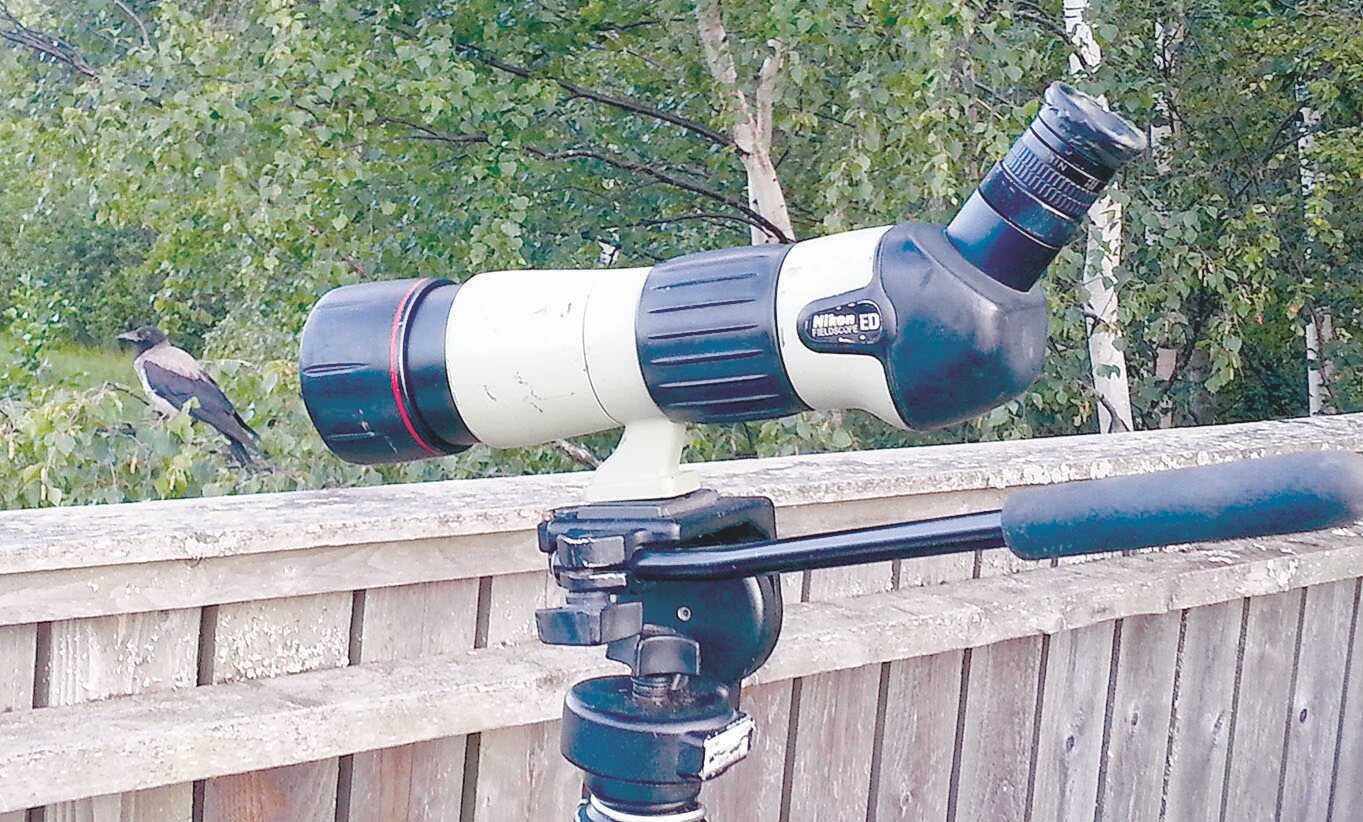
PORI, Finland — Birdwatching is a hobby that is now enjoying a renaissance in Finland. Pori is the hotspot of birding in Finland. When I started birding in that town during the 1970s, there were many other schoolboys with binoculars. Around the turn of millennium it became quieter, but now birds are gaining new audiences among retired people and women.
A good idea from the Finnish Birdlife organization was to start a campaign encouraging newcomers to observe 100 bird species per year. Five years ago, my little sister started that. It was one of my life’s major achievements: after 50 years of my influencing, little sister became a birder. Also, her husband started birding. My big brother and a sister of my old birder friend started twitching (“hunting for bird points”) a few years ago as well.
The Pori area is good with nature because we have the largest river delta of Northern Europe, sandy shores, and lakes and forests around. Rare birds are annually observed particularly on the Yyteri sands. This July a pectoral sandpiper (Calidris melanotos) spent several weeks there — that’s an Arctic American breeding species which is a rarity in Europe.
A rarer American visitor is the American black duck (Anas rubripes) that returned in Pori for third year in row. Apparently years ago it flew across the Atlantic and found a summer home at Lake Enäjärvi here. The last two years this male has bred in Pori with a female mallard - producing hybrids that puzzle twitchers. Hybrids are difficult to tell apart from proper twitchable species. The black duck does not look fabulous (a local twitcher who came across it told me two years ago “It looks like nothing.”) but due to being the second individual observed in Finland it still stirs lot of interest among twitchers. I lived one year in the United States, but I missed the black duck in America so this was a happy opportunity for me to see the bird.
Another rare duck that has returned in Pori is the mandarin duck (Aix galericulata). It is an Asian species introduced in Europe. The males are extremely colorful. Five years ago the so-called “three amigos” appeared on Reposaari island in Pori. The last four springs two of them have returned, they are documented to be gay - and they reside on a pond owned by church. This summer a straight pair of mandarin ducks bred in Salo, and it was a new breeding bird species in Finland.
Birds give joy because they are visible larger animals who also make themselves heard. You can enjoy their looks and tunes even without knowing their names, but if you enjoy nature documentaries, Owen and Quentin Reiser’s “Listers” is an enjoyable introduction into the world of birding.